Walk Main Street between 15th and Fourth Plain long enough and you start to notice something odd about Uptown Village's turnover. Businesses close. New ones open. But they keep landing inside the same handful of buildings, wearing new names over old bones. The district isn't reinventing itself with fresh construction. It's rotating ambitious new concepts through storefronts that have already survived a century of Vancouver.
That's not a small distinction if you live here. It changes what "new" actually means on this street, and it explains why a three-block stretch of Uptown keeps producing openings that out-of-towners read about in Portland food blogs.
The house on Main Street that keeps changing hands
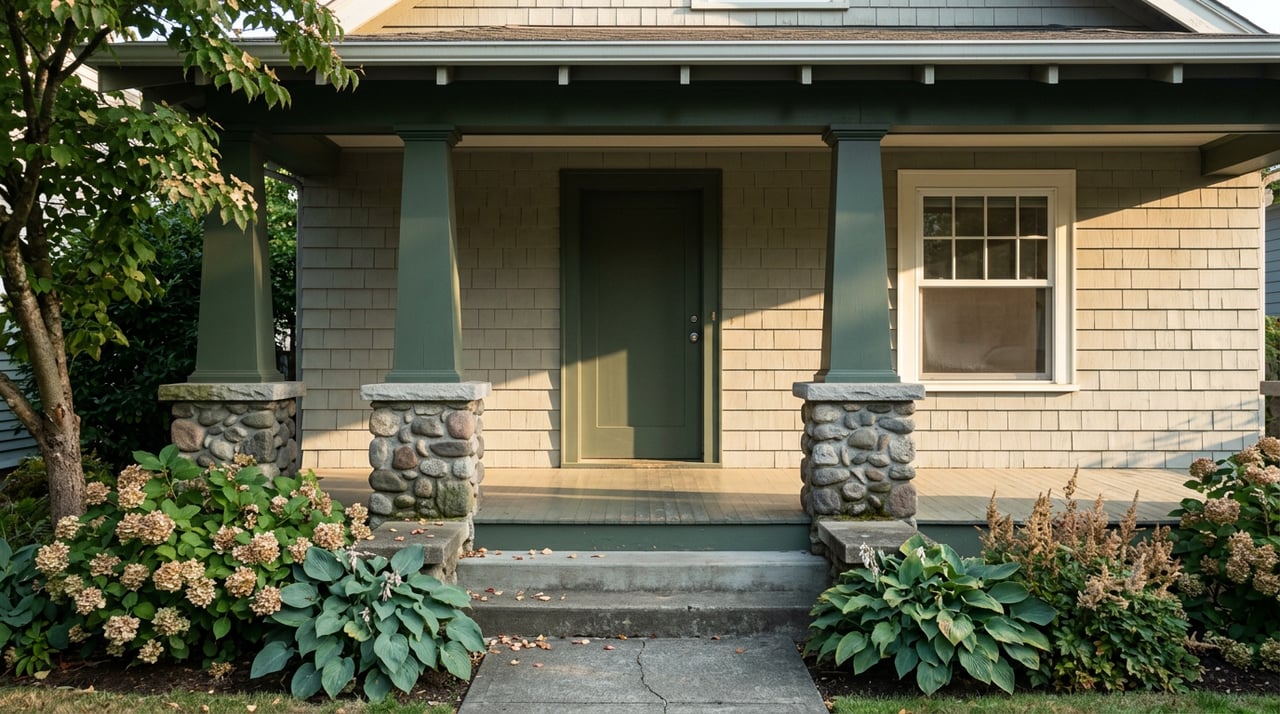
The clearest example sits in a wood-frame building most people just call the old Beauregard house, built in 1905 and still standing at the corner it's occupied for well over a century. Until last fall, it held 3 Howls Remedy House, which closed in November. By mid-May, the same address had a new tenant: Lil Pig Lil Pig, a smokehouse from owners Brandon and Marci Rush serving smoked pork and rotisserie chicken. The building didn't change. The address didn't change. The only thing that changed was what was cooking inside it, and this summer that's been enough to draw the kind of lines a food blogger would call proof the concept works.
That's the pattern worth understanding if you're the kind of resident who treats Main Street as an extension of your own kitchen. The historic housing stock in Uptown Village isn't incidental scenery behind the restaurants. It's the reason a serious operator picks this three-block stretch over a strip mall five minutes away. A 120-year-old house with real bones photographs better, holds more character, and signals to a customer walking in that this isn't a chain trying out a market. Lil Pig Lil Pig didn't build a new building to make that statement. It rented one that already had the story built in.
Schofield's Corner just changed hands again, too
A few storefronts down, the same thing is happening at the spot longtime residents still call Schofield's Corner, which held Yogurt Time for years before that tenancy ended. This month it's becoming Toasted S'mores Bar, a sister location to a Portland shop from Russell Sneddon, the former CEO and president of Moonstruck. Sneddon has described the format as "experiential retail," which is a fair description of a menu built entirely around toasting graham crackers, chocolate, and marshmallow into something more considered than a campfire treat. The opening window has run mid-to-late August, which puts it landing right around now.
Notice the shape of the story. Another landmark corner. Another operator with real experience elsewhere choosing to plant a second location here instead of somewhere with cheaper rent and less history. Uptown isn't attracting first-time restaurateurs testing an idea. It's attracting people who already ran something successful and picked this street on purpose.
The rest of Main Street's rotation this summer
Toasted S'mores Bar and Lil Pig Lil Pig are the two openings anchored in landmark buildings, but they're not the only new addresses on Main Street this year. Minari Market, an instant ramen bar, opened in early July and slotted into the same corridor without displacing any of the district's longer-standing anchors. Those anchors are worth naming, because they're the reason the new openings have foot traffic to draw from in the first place.
Trap Door Brewing still runs the Uptown Food Cart Village, a shared patio space that's become one of the most reliable food-truck stops in the city, with tacos and Thai food rotating through the carts. Bleu Door Bakery still draws brunch lines for its Parisian breads. La Bottega is still the spot for Old World pasta and cured meats a few doors down. None of that is new information if you already live here, but it's the context that makes the turnover legible: new concepts keep opening because there's already a walking crowd built by the places that never left.
Why the merchants keep saving their own street
None of this happens by accident, and the clearest proof is what happened to Cruise the Couve, the classic car cruise that still rolls down Main Street every July. The event almost died in 2017 when its original organizer walked away over rising insurance and police costs. Rather than let a tradition that dated back to 2009 disappear, a group of Uptown merchants, including Trap Door Brewing owner Bryan Shull, took it over and renamed it. This year's cruise ran July 18, with a new Chrome & Craft Market Alley on 19th Street adding a local-makers market to the car culture.
The Uptown Village Association, the merchant group behind that rescue, has been advancing the district for more than twenty years. It's not a city department or a chamber of commerce chapter. It's the same business owners who run the bakeries and taprooms, organizing themselves to keep the street's identity intact when something threatens to disappear. That's the quiet reason a new operator can walk into a hundred-year-old building here and expect an audience. The infrastructure that gets people to Main Street on a Saturday wasn't built by any single business. It was built collectively, and it's maintained the same way.
What's actually worth putting on your calendar
If you're deciding where to spend an evening this week, here's what that turnover looks like in practice right now:
- Lil Pig Lil Pig, inside the 1905 Beauregard house, for smoked pork and rotisserie chicken with a tap list built to make you stay
- Toasted S'mores Bar, at the former Schofield's Corner spot, opening this month with a rotating seasonal flavor list
- Minari Market, for an instant ramen bar that opened in early July and gives the street a faster, lighter option between the heavier openings
- Trap Door Brewing's food cart patio, still the default answer when a group can't agree on one cuisine
- Bleu Door Bakery and La Bottega, the two brunch and dinner anchors that have outlasted several rounds of turnover around them
None of these are speculative. They're either open now or opening within days of this writing, which is the only way a list like this stays useful past the week you read it.
What the turnover actually tells you
The easy read on Uptown Village is that it's a hot restaurant district, which is true but not interesting. The more useful read is that it's a district where the built environment does more work than any individual business. A century-old storefront on Main Street has hosted a remedy shop and now hosts a smokehouse. A corner that spent years as a yogurt stand is about to spend the next chapter as a s'mores bar built by someone who used to run Moonstruck. The building outlasts the tenant every time, and the tenants keep getting more ambitious because the building gives them a head start that new construction can't match.
If you already live in Uptown, that's worth knowing the next time a favorite spot closes. It's rarely the end of that address's story. It's usually a pause before someone with real experience elsewhere decides this is the block where they want to try their next idea.
Whether you're settling into a new favorite table on Main Street or just keeping an eye on the neighborhood you already call home, Louise James and her team stay close to what's changing on the ground in Clark County, from the storefronts to the housing stock around them. If you're ever curious what your own piece of this neighborhood is worth, a free home valuation is one conversation away.