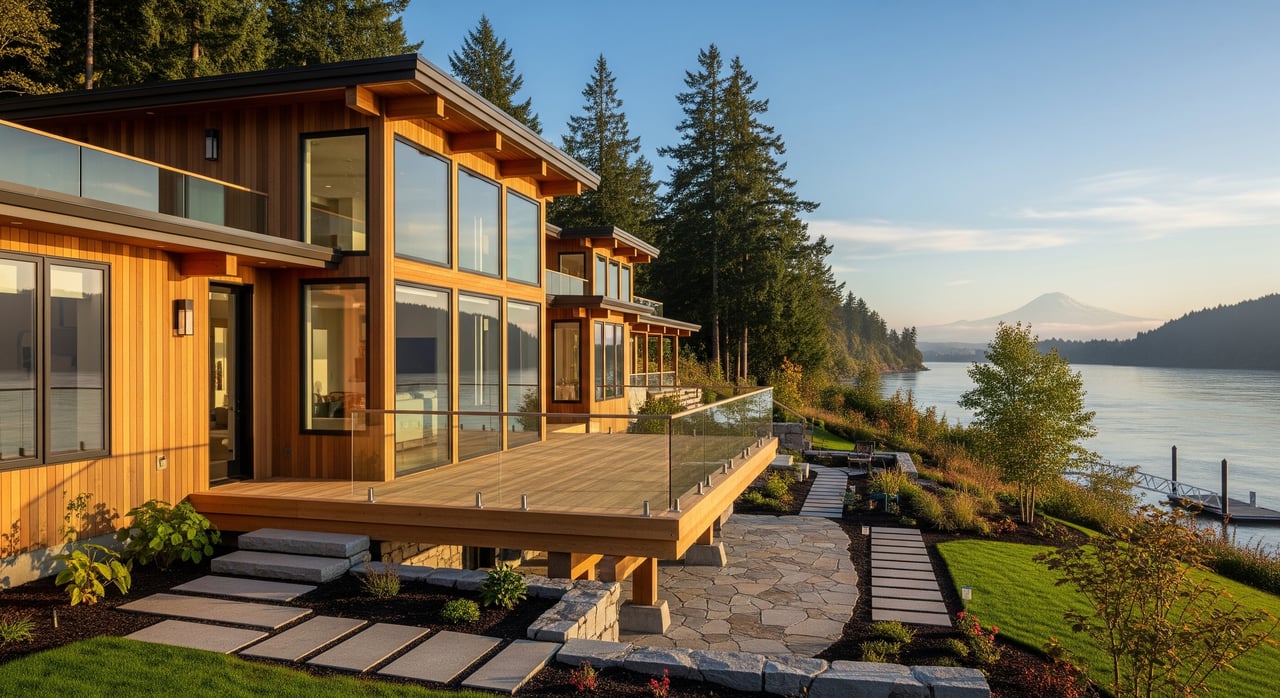
Wondering why Kalama’s housing numbers can look jumpy from month to month? In a small river town with limited listings, one sale can swing the averages. If you are thinking about buying or selling near the Columbia River, you want more than headlines. You want context that fits this micro‑market. In this guide, you will learn what drives value in Kalama, how regional trends show up locally, and the smart steps to take as a buyer or seller. Let’s dive in.
What makes Kalama different
Kalama sits on the Columbia River with direct I‑5 access. That location shapes demand and value, especially for homes with river views or access. Waterfront adjacency, view corridors, and shoreline conditions are central to pricing.
Because the market is small, a single waterfront closing or a new subdivision can move median prices for a short time. You will get clearer insight by looking at rolling 12‑month trends and the number of sales behind any statistic.
Proximity to the Port of Kalama can cut both ways. Industrial and port activity supports jobs and the local tax base, yet some buyers will weigh possible noise and truck traffic. If you want to understand current and planned projects, review the Port of Kalama’s development information.
Inventory and pricing in a low‑volume market
Southwest Washington often mirrors Portland and Puget Sound cycles, but smaller towns feel sharper swings. When rates fall and the region heats up, scarce riverfront listings in Kalama can see quick activity and strong premiums. When the region cools, days on market often rise for non‑waterfront, mid‑range homes.
Expect a clear waterfront premium. Properties with docks, unobstructed views, or direct access usually command higher prices and can sell faster than inland peers. In a low‑volume market, list‑to‑sale price gaps can be wider on unique waterfronts as buyers and sellers test price ceilings.
Inventory metrics like months of supply will bounce more in Kalama than in bigger cities. Use neighborhood‑level comps and longer timeframes to avoid reading too much into a single month.
Rates, affordability, and who is buying
When mortgage rates rise, some buyers look to smaller towns for value. Kalama benefits from that search, but inventory often limits how many deals actually close. When rates drop, the buyer pool broadens, yet supply can remain the main constraint.
Cash buyers and investors can shape outcomes here more than in high‑volume markets. With fewer comparable sales, appraisals may trail rapid price moves, so cash or large‑down‑payment buyers sometimes have an edge when appraisal gaps are likely.
Commute and lifestyle factors
Kalama’s commute appeal is tied to I‑5. If you are considering a daily drive to Clark County or Portland, check current conditions using WSDOT’s real‑time travel tools and look at peak versus off‑peak windows. Travel times vary with season, construction, and bridge conditions.
Lifestyle matters, too. Remote and hybrid work have made waterfront‑adjacent towns more attractive. River access, parks, and a small‑town pace draw buyers who might accept a longer commute for everyday quality of life. Seasonality also plays a role. Waterfront demand often rises in spring and summer, which can influence list timing and activity.
Buyer checklist for Kalama
Use this quick list to evaluate homes with confidence, especially near the river:
- Flood risk and insurance. Review official maps, check past flood history, and understand insurance needs. The FEMA Flood Map Service Center is the place to start. Ask for elevation certificates where applicable.
- Shoreline permits and docks. Confirm that existing docks and boathouses are permitted. If you plan improvements, review the city’s shoreline rules and timelines with the City of Kalama Planning Department.
- Septic or sewer. Verify utility connections and maintenance history. Build septic inspections into your contingencies if applicable.
- Common condition items. Older riverfront homes can show foundation movement, erosion or seawall wear, moisture, and corrosion of systems. Plan for thorough inspections.
- Commute logistics. Use WSDOT’s travel data to test typical drive times. Consider the impact of peak traffic and seasonal variability on your schedule.
- Neighborhood context. Understand proximity to port or industrial uses. Visit at different times of day and check current projects through the Port of Kalama.
Seller strategy in a small market
Pricing and positioning are everything when a few sales can skew the numbers. Work with an agent who knows Kalama and can separate waterfront from non‑waterfront comps. For unique river properties, comparable selection should focus on the most recent, relevant waterfront closings and lot characteristics like view, access, and dock status.
Timing still matters. Waterfront and lifestyle listings often do best when launched before or during spring and summer. That said, well‑prepared listings can perform in any season when supply is tight.
Documentation builds confidence. Gather permits and records for shoreline work, flood elevations, septic maintenance, and any mitigation or erosion control projects. Clear paperwork can keep underwriting smooth and reduce delays.
Make the river the star. Stage and photograph to showcase views and outdoor living. Ensure safe, easy access to the shoreline, paths, and dock areas for showings. If your property is close to I‑5, highlight convenient access for commuters.
If your parcel is near industrial areas, confirm whether any easements, environmental constraints, or historic liens apply. The Washington Department of Ecology offers a searchable database of cleanup and contaminated sites; it is a useful reference when evaluating port‑adjacent parcels. You can look up sites using the Ecology Cleanup Site Search.
Appraisals, lending, and timeline
Appraisals sometimes lag in fast‑moving niches like waterfronts, especially when there are few recent comps. If you anticipate appraisal risk, you can plan for extended timelines, consider appraisal gap strategies, or evaluate cash offers differently.
Lenders may require extra reviews for flood zones, shoreline improvements, or industrial adjacency. Build in enough time for underwriting steps and be ready to supply permits, elevation certificates, and inspection reports early in the process.
What to watch in local news and policy
Local policy can move the market. City and county shoreline rules shape what owners can build or rebuild, which affects value and feasibility. Stay tuned to the City of Kalama Planning Department for comprehensive plan updates, zoning maps, and shoreline guidance.
Port projects can influence short‑term housing demand and long‑term buyer perceptions. Review development updates from the Port of Kalama, and consider how new infrastructure or industrial activity might affect nearby neighborhoods.
For recorded sales and parcel details that support pricing decisions, the Cowlitz County Assessor is an authoritative source.
How to read the Kalama market like a pro
- Separate waterfront and non‑waterfront data. They behave like distinct sub‑markets.
- Look at longer timeframes. Rolling 12‑month trends smooth out small‑sample swings.
- Track seasonality. Spring and summer often bring more waterfront listings and buyers.
- Watch interest rate shifts, but remember supply is the main constraint locally.
- Follow planning and port updates. Policy changes and projects can reset buyer expectations.
How we can help
You deserve a clear plan tailored to Kalama’s unique dynamics. With a local‑first approach and an elevated marketing platform, we help you price precisely, prepare strategically, and negotiate confidently. For distinctive waterfront or lifestyle properties, we combine data‑driven guidance with premium presentation to reach the right buyers and maximize value.
If you are thinking about buying or selling in Kalama, let’s talk about your goals, timing, and the steps that will make the difference. Connect with Louise James to get a tailored plan for your next move.
FAQs
How fast do waterfront homes sell in Kalama?
- They often sell faster than inland homes when priced correctly, but timelines vary and small sample sizes can make averages swing from month to month.
What premium do buyers pay for Columbia River access in Kalama?
- Expect a noticeable premium for unobstructed views, direct access, or a dock, with the exact amount depending on lot quality and recent comparable sales.
Is Kalama more affordable than larger metro areas nearby?
- Many buyers look to Kalama for value compared with Portland and Clark County, but affordability depends on current rates, inventory, and property type.
What are the biggest risks when buying Kalama riverfront property?
- Key items include flood risk and insurance, shoreline permit constraints, erosion or seawall condition, septic versus sewer, and any industrial adjacency.
How do mortgage rate changes affect Kalama’s market?
- Higher rates can slow demand and lengthen time to sale, while lower rates widen the buyer pool, yet limited inventory often remains the biggest factor.
Where can I find reliable local comps and records for Kalama?
- Use MLS reports and confirm with the Cowlitz County Assessor for recorded sales and parcel data, and consult a local agent for context on off‑market activity.