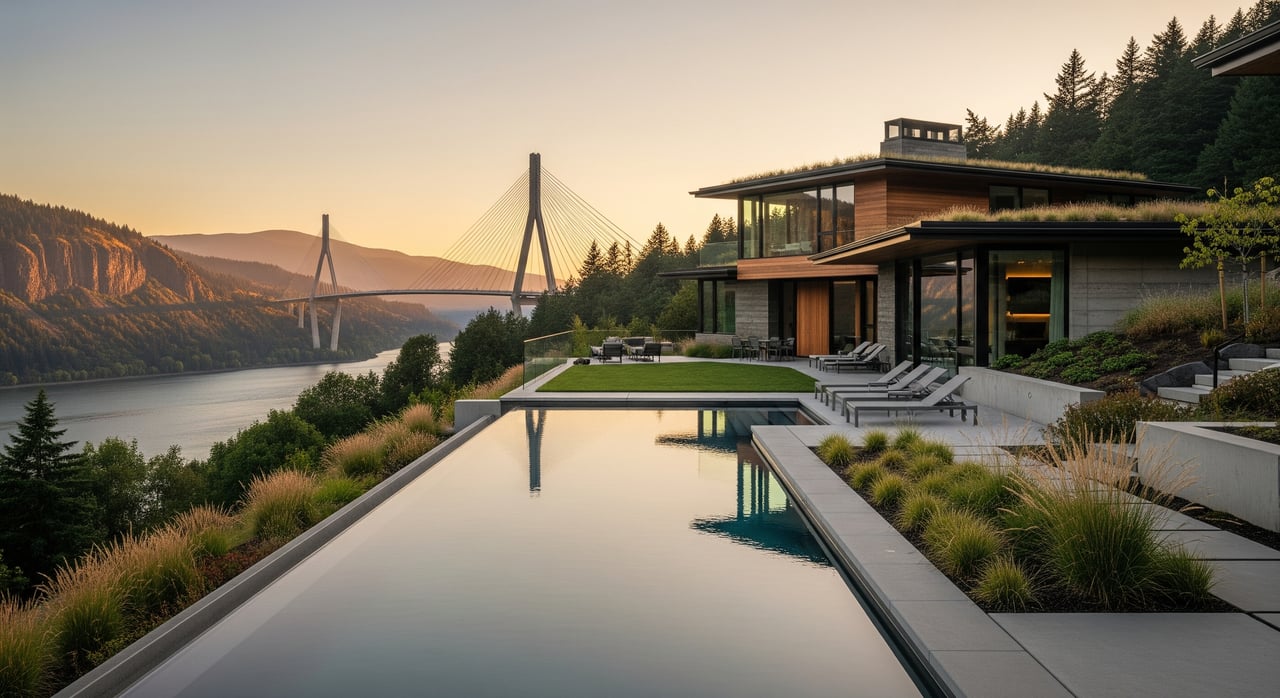
What happens to White Salmon housing when a safer, faster river crossing finally arrives? If you live, work, or invest in the Gorge, you feel how the current bridge shapes daily life and costs. This guide breaks down what the new crossing could mean for prices, rents, commutes, and your next move. You will leave with clear scenarios, a simple watchlist, and practical steps for buyers and sellers. Let’s dive in.
New bridge at a glance
Purpose and design basics
The replacement of the Hood River-White Salmon bridge is a bi-state project built for safety, reliability, and modern access. Plans emphasize wider lanes, current seismic standards, and a separated bike and pedestrian path that improves non-auto travel between the two communities. These upgrades are designed to reduce closures and improve trip predictability for people and freight. You can review features and goals in the project’s grant update and overview on the official site’s news page: federal infrastructure grant announcement.
Timeline and funding
Project updates indicate selection of a design-builder and preconstruction work in 2025, with construction targeted to start late 2025 and an opening goal in 2029. See the Authority’s procurement update on the highest-scoring design-builder. Funding includes a major federal INFRA award, documented by the U.S. Department of Transportation’s grant announcement.
Who sets the rules
A public bi-state authority oversees design, construction, tolling, and operations. Meeting agendas and materials are posted at the Hood River-White Salmon Bridge Authority.
Travel changes that matter
Reliability and time savings
A fixed-span bridge with modern standards means fewer unexpected closures and more consistent travel times. Better predictability often makes living on one side and working on the other more attractive, which can raise housing demand near the improved access point. Project materials describe these intended travel benefits in the federal grant news.
Bike and pedestrian access
A separated path is planned to connect people safely on foot or by bike. That opens up more commuting and recreation options, expanding the pool of residents who value active transportation and quick access to Hood River amenities.
Tolls and your budget
Tolls are expected to help repay federal loans and fund operations. Final toll policy is set by the Bridge Authority, and the new facility is anticipated to use electronic tolling. Follow toll policy updates in the project’s funding coverage about additional federal financing and toll revenue.
White Salmon housing today
Limited land, high demand
White Salmon sits inside the Columbia River Gorge National Scenic Area, where land-use rules and physical constraints limit how quickly new homes can be added. These factors, combined with recent demand, create pressure on both for-sale and rental inventory. The city’s Housing Action Plan outlines constraints and priorities at Housing White Salmon.
Local housing actions
City and nonprofit partners are pursuing preservation and new production, including planning for middle housing and targeted rehab where feasible. Scenic protections and siting rules still guide what can be built, as described in state rulemaking linked to the National Scenic Area.
How access shapes prices
Transportation improvements are often capitalized into nearby housing values. Studies show accessibility upgrades can translate into measurable price increases once a project opens, with magnitude varying by local constraints and costs. A peer-reviewed study of road improvements found noticeable price gains in affected towns after opening, reinforcing the idea that a more reliable crossing can lift demand in White Salmon. See the research summary from the journal article on transport infrastructure and house prices.
Three likely housing scenarios
- Scenario A: Moderate value uplift, tight supply. Reliability improves and demand rises. Because developable land is limited, prices and rents trend up modestly unless new supply and affordability measures scale.
- Scenario B: Construction bump, then stabilization. Worker inflow tightens rentals during construction. After opening, some in-migration remains, and values stabilize at a higher level if supply stays constrained.
- Scenario C: Managed growth with affordability. If the city and partners accelerate preservation and new affordable homes within Scenic Area rules, upward price pressure is moderated and displacement risk is reduced. You can track policy actions through Housing White Salmon.
Construction period impacts
During design and construction, large infrastructure projects often generate temporary housing pressures and local business activity. Expect short-term rental demand from construction crews and professional staff, possible congestion near work zones, and increased local spending. These patterns are consistent with transportation project impact analyses summarized in this economic impacts overview.
What to watch next
- HRWSBA agendas and toll policy discussions. Check meeting materials at the Bridge Authority.
- Project milestones: design-builder contract approvals, final schedule, and traffic management plans. See the project’s procurement news.
- Local housing actions: zoning updates, grants, and specific projects. Follow updates at Housing White Salmon.
How to prepare now
If you are buying
- Price in tolls. Estimate monthly crossing costs and compare with housing savings or lifestyle gains.
- Consider access. A future bike and pedestrian connection may expand commute options beyond driving.
- Act early on the right home. Low inventory means you benefit from strong pre-approval and quick decisions.
If you own a home
- Track timing. Listing near key milestones can capture buyer interest tied to reduced travel friction.
- Prep for marketability. Small upgrades, clear presentation, and data-backed pricing can help you stand out as demand shifts.
- Watch rental dynamics. If you plan to rent, factor in construction-period demand and policies that may affect short-term rentals.
The new bridge is a big step for the Gorge. With clear timelines, attention to toll policy, and smart local housing actions, you can make a confident move in White Salmon. If you want tailored advice on buying or selling around this change, reach out to Louise James for a local-first, high-touch plan.
FAQs
Will the new bridge raise White Salmon home prices?
- Improved reliability and access typically increase demand, which can push prices up, but the actual impact will depend on toll levels, land constraints, and local affordability efforts documented at Housing White Salmon.
How will bridge tolls affect White Salmon affordability for commuters?
- Tolls raise transportation costs and can offset some housing savings; final toll policy will be set by the Authority, so monitor the funding and toll revenue updates.
When could the Hood River-White Salmon replacement bridge open?
- Project updates target construction beginning in late 2025 and opening in 2029; see the Authority’s design-builder update.
Will construction tighten White Salmon rentals before opening?
- Large projects often bring temporary worker demand and local spending that can strain rentals; this pattern is consistent with transportation project impact research summarized in the economic impacts overview.
What policies can help protect affordability in White Salmon?
- Preservation, middle-housing planning, and targeted new units within Scenic Area rules are key tools, and the city tracks these actions at Housing White Salmon.