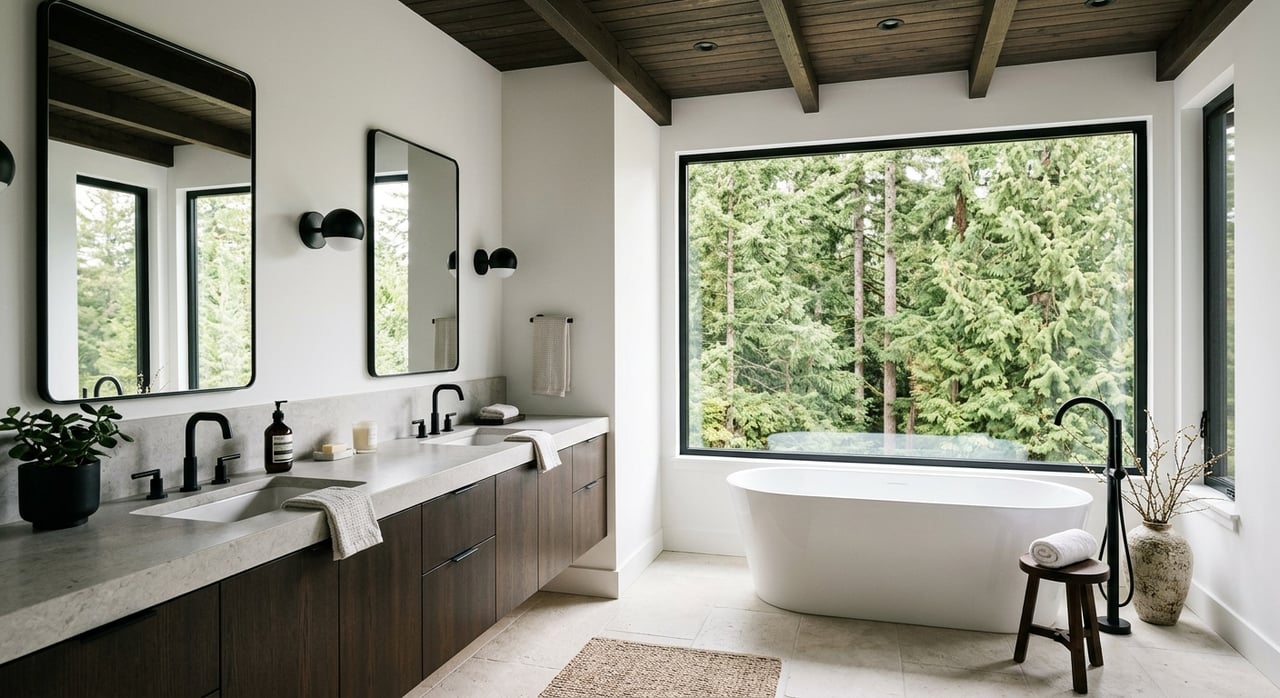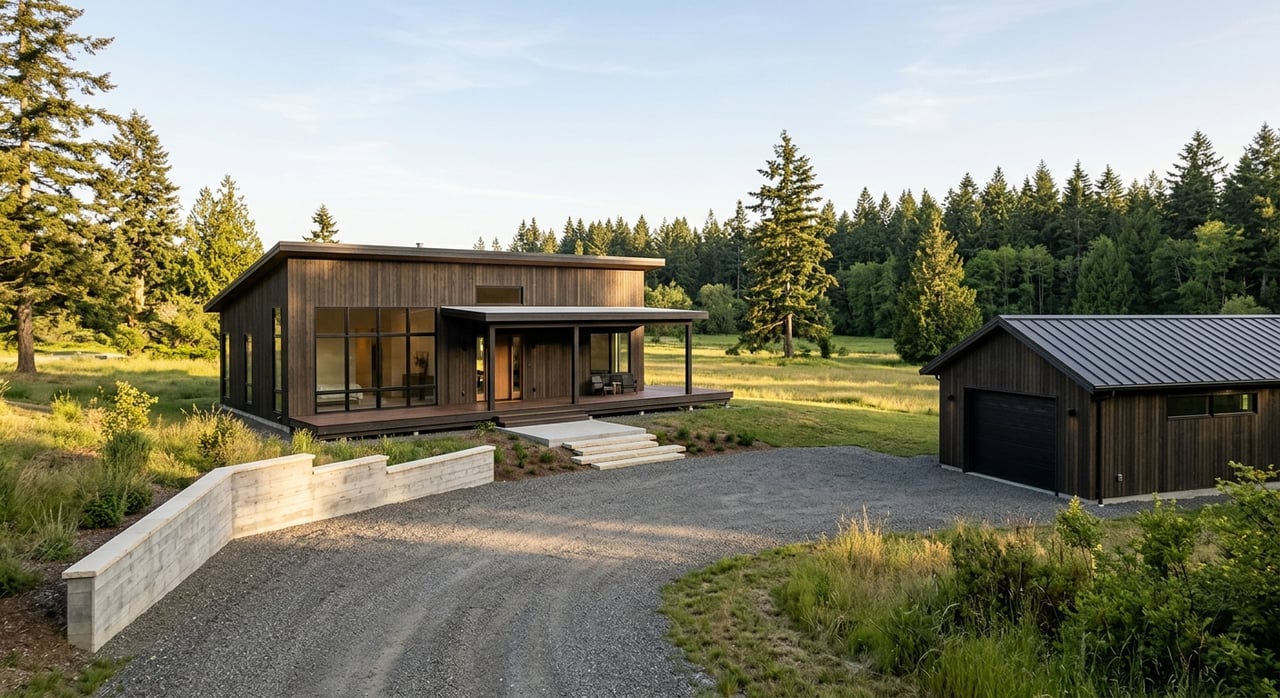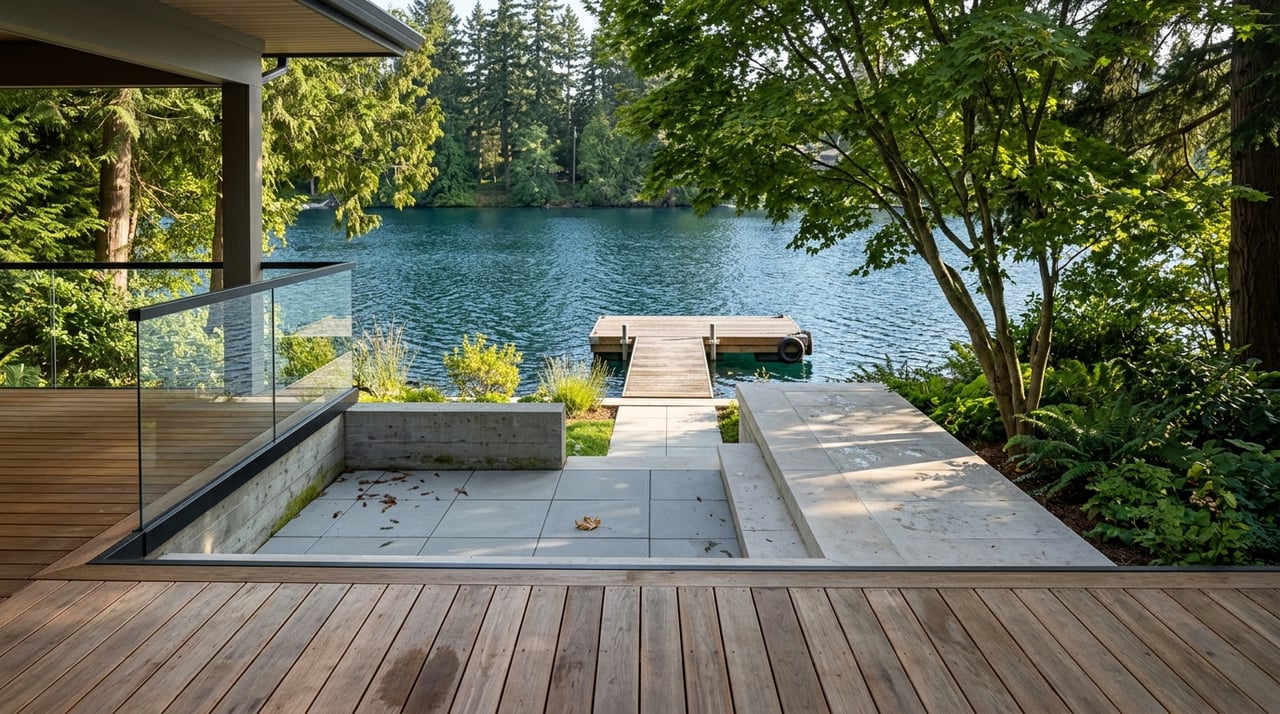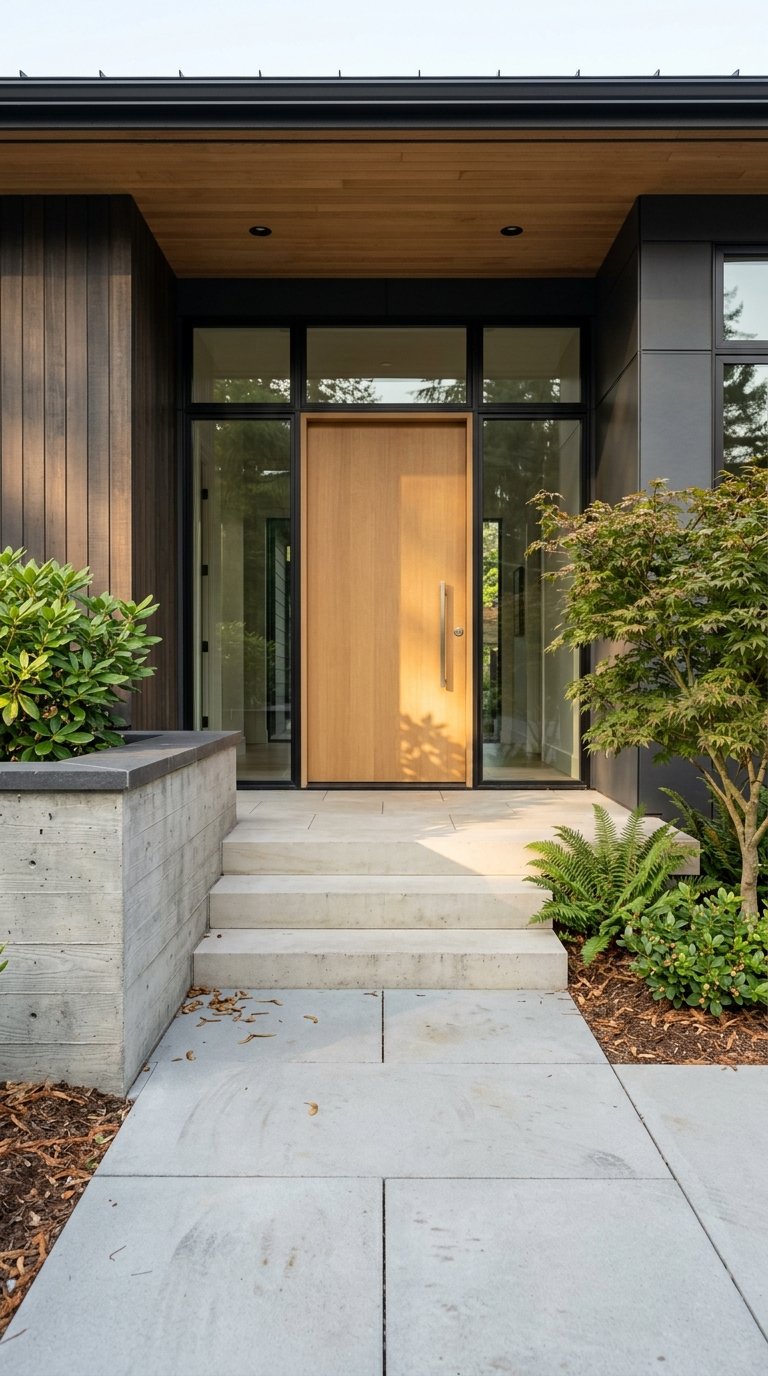
Thinking about opening your home to guests in White Salmon but unsure whether a hosted homeshare or a whole-home vacation rental fits you best? You want extra income without headaches, and you want to stay on the right side of local rules. In this guide, you’ll learn how each model works, what to verify in White Salmon’s regulations, and how to align your choice with income and lifestyle goals. Let’s dive in.
Hosted homeshare explained
A hosted homeshare means you rent a room or portion of your home while you are living there. You remain on site during guest stays and keep the property as your primary residence. Many Washington cities treat this option as a lower-impact use with simpler compliance.
In practice, you might list a guest room, an accessory suite, or a portion of your home. Because you are present, neighbor concerns often stay lower and you maintain flexibility for your own schedule.
Primary residence basics
Primary residence typically means the home you live in most of the year. Cities commonly verify this with documents such as a driver’s license, voter registration, tax filings, or utility bills that match the property address. You usually attest that the home is your principal residence and renew that status each year.
What to confirm in White Salmon
- Whether the city requires you to be present during all guest stays.
- How the city defines and verifies “primary residence.”
- Any limits on nights per year, per booking, occupancy, or which zones allow hosted homeshare.
Whole-home vacation rental explained
A whole-home vacation rental means guests get the entire dwelling and you are not on site. Many municipalities treat this as a more intensive use with tighter rules, possible caps, or location limits.
This model can drive higher nightly rates and occupancy in peak seasons. It also requires the home to be fully available to guests, which reduces your flexibility for personal use.
Typical limits you may see
Cities often place annual night caps, minimum-stay requirements, or zone-based restrictions on whole-home rentals. You may need a dedicated permit, inspections, and to display your permit number in all listings. Enforcement and penalties for noncompliance are common.
What to confirm in White Salmon
- Which zoning districts, if any, allow whole-home vacation rentals.
- Whether there are annual caps, minimum stays, or spacing limits between rentals.
- Required permits, inspections, and renewal timelines.
Income vs flexibility: how to choose
Both models can work in White Salmon’s recreation-driven market, but the right path depends on your goals.
Hosted homeshare: pros and cons
- Pros: Maintains primary residence status, on-site oversight, often simpler compliance, and easier personal use.
- Cons: Lower gross income potential, time commitment to host, and less privacy at home.
Whole-home rental: pros and cons
- Pros: Higher income potential per night and the ability to optimize pricing and turnover.
- Cons: Stricter rules, possible annual caps, higher operating costs, and fewer personal-use days.
Zoning and location matters
Your address determines which rules apply. Inside White Salmon city limits, the municipal code governs short-term rentals. If your property is outside city limits, Klickitat County rules apply. Many cities allow hosted homeshare more broadly while limiting whole-home rentals to certain zones or requiring special review.
Before you buy or list, confirm your zoning designation and whether hosted or whole-home rentals are permitted at your location. Ask whether the city uses caps, distance buffers, or overlays that limit concentrations of whole-home rentals.
Stay limits and occupancy rules
Cities typically set stay limits in two ways. Some define maximum nights per booking or require minimum stays. Others set annual caps on total nights a property can be rented.
Occupancy is often tied to building or fire code and sometimes uses a per-bedroom formula. You may also see rules that limit consecutive stays by the same guest to avoid de facto long-term occupancy. Verify each of these items for White Salmon specifically before you host.
Licensing, registration, and taxes in Washington
Expect to complete a city registration or permit and a local business license. Washington State also requires hosts to register for sales and lodging tax collection. Some platforms may collect certain taxes in some jurisdictions, but you remain responsible for compliance unless the city and state confirm full platform remittance.
Ask the city about application names, fees, renewal cycles, and whether you must post your permit number in all online listings. Confirm which lodging and tourism taxes apply and who remits them.
Operations and safety checklist
Operational rules help protect guests and neighbors. Build these fundamentals into your setup:
- Parking: Provide clear guidance and meet any off-street minimums if required.
- Noise: Post quiet hours and share house rules with guests.
- Trash: Align pickup with turnover days and secure bins.
- Safety: Install smoke and carbon monoxide detectors, place fire extinguishers, and confirm safe egress from sleeping areas.
- Local contact: Provide a 24/7 contact who can address issues within the required response time.
- Posting: Keep occupancy and rules visible in the home and include any required permit numbers in listings.
- Insurance: Speak with your insurer about short-term rental coverage beyond platform protections.
Enforcement and penalties
Most cities rely on a complaint-driven process and reserve the right to inspect, fine, suspend, or revoke permits for violations. Penalties can accrue daily, and repeat violations often carry higher fines. Keep records, renew on time, and respond quickly to any city inquiries.
Step-by-step: pick your best path
- Clarify goals: prioritize either personal flexibility or revenue potential.
- Confirm location: verify whether your address is in the city or county and check zoning.
- Call the city: ask planning and finance staff about permits, definitions, and taxes.
- Model income: estimate nightly rates by season and realistic occupancy; subtract cleaning, utilities, insurance, repairs, and taxes.
- Plan operations: line up cleaning, local contact coverage, and guest rules.
- Prepare the home: address safety items, parking, and neighbor considerations.
- List and monitor: follow posting requirements and track nights to stay within any caps.
Example scenarios
- You live full time in White Salmon and want supplemental income. A hosted homeshare can keep your home as your primary residence, often with simpler compliance and fewer restrictions, while you earn.
- You own a second home and want to maximize summer revenue. A whole-home rental may offer higher gross income, but verify zone permissions, annual caps, and tax requirements, and factor in higher operating costs.
The bottom line
If you want flexibility and lower impact, a hosted homeshare often fits. If you want to push revenue, a whole-home rental can work if your zoning allows it and you manage costs and compliance. Either way, clarity on primary residence rules, stay limits, permits, and taxes will help you run a smooth, legal operation.
Ready to compare options for a specific property and understand the local path to compliance? Reach out to Unknown Company for a clear, step-by-step plan.
FAQs
Is a hosted homeshare legal inside White Salmon city limits?
- It depends on White Salmon’s definitions, primary residence requirements, and zoning; confirm with the city’s municipal code and planning staff.
Can I rent my entire White Salmon home on weekends only?
- Whole-home rentals may face zone limits, annual caps, or minimum stays, so verify what is allowed for your address before listing.
Do I need a permit and a business license to host in White Salmon?
- Many Washington cities require both a city registration or permit and a local business license, so check the White Salmon process and fees.
What taxes apply to short-term rentals in White Salmon, WA?
- Expect Washington State sales and lodging taxes and possibly local lodging taxes; confirm who collects and remits them for your listing.
How many guests can I host in a White Salmon rental?
- Occupancy is often tied to building or fire code or a per-bedroom formula; ask the city for the specific calculation and maximums.
Do White Salmon rules differ from Klickitat County rules?
- Yes, city properties follow White Salmon’s municipal code while properties outside city limits follow Klickitat County code; verify by address.